Introduction
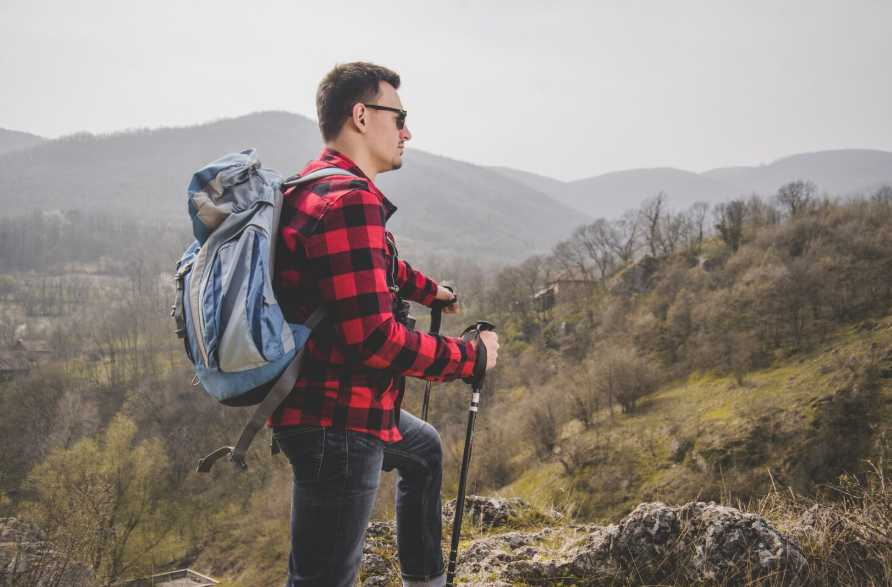
Hiking is a rewarding outdoor activity that combines physical exercise with the enjoyment of nature. It allows individuals to escape daily routines, immerse themselves in natural surroundings, and challenge both body and mind. By walking on trails, climbing hills, and exploring landscapes, people can improve fitness, reduce stress, and develop a deeper connection with the environment. Hiking offers benefits that extend beyond exercise, enriching mental, emotional, and social wellbeing.
Physical Health Benefits
Walking on uneven terrain engages multiple muscle groups and improves cardiovascular health. Hiking strengthens the legs, core, and even the upper body when using trekking poles. Regular activity helps maintain weight, improve stamina, and increase flexibility. Unlike traditional workouts, hiking combines movement with fresh air and natural scenery, which enhances the experience and encourages consistency in physical activity.
Mental and Emotional Wellbeing
Being in nature has proven benefits for mental health. Hiking reduces stress, lowers anxiety, and promotes relaxation. The rhythmic motion of walking, combined with the sights and sounds of the outdoors, encourages mindfulness and mental clarity. Spending time away from screens and urban noise allows the mind to rest and recharge, improving focus, creativity, and overall mood.
Connecting with Nature
Hiking provides opportunities to explore diverse ecosystems, observe wildlife, and appreciate the beauty of natural landscapes. Forests, mountains, rivers, and meadows offer moments of awe and inspiration. Immersing in nature fosters a sense of calm and encourages environmental awareness. By observing plants, animals, and geological features, hikers develop a greater understanding of the interconnectedness of life and the importance of conservation.
Social Benefits
Hiking can be a shared activity that strengthens relationships with friends, family, or fellow enthusiasts. Group hikes promote teamwork, communication, and support while allowing individuals to enjoy shared accomplishments. Even solo hiking experiences can create a sense of community when meeting others on trails or participating in organized events. These interactions foster connections and enhance the overall enjoyment of the activity.
Encouraging Personal Growth
Hiking challenges individuals to push their limits, explore new paths, and overcome obstacles such as steep inclines or rough terrain. Successfully completing challenging trails builds confidence, resilience, and problem solving skills. The sense of achievement gained from reaching a summit or completing a long hike provides motivation and satisfaction. These lessons often carry over into other areas of life, promoting personal development and perseverance.
Mindful Exploration
Hiking encourages mindfulness by requiring attention to the environment and one’s own movements. Observing the trail, listening to natural sounds, and noticing subtle changes in surroundings enhances presence and awareness. Mindful exploration promotes gratitude, reduces stress, and helps individuals appreciate small details that might otherwise be overlooked. The combination of physical activity and mental focus creates a holistic experience for body and mind.
Planning and Preparation Skills
Effective hiking requires preparation, including understanding the trail, packing essentials, and planning for safety. Learning to assess conditions, carry appropriate gear, and navigate paths develops organizational and decision making skills. These practical lessons improve confidence and self reliance while ensuring that the hike is safe and enjoyable. Preparation enhances the overall experience and reduces potential risks.
Lifelong Benefits
Hiking is an activity that can be enjoyed at any age and adapted to different fitness levels. Regular engagement promotes long term physical health, mental wellbeing, and personal growth. Developing a habit of hiking encourages a deeper connection to nature, ongoing learning about the environment, and a commitment to an active lifestyle. The lessons and experiences gained from hiking contribute to a more balanced and fulfilling life.
Conclusion
Hiking is a perfect way to strengthen both body and mind by combining physical exercise with the restorative effects of nature. It improves fitness, enhances mental wellbeing, fosters mindfulness, and encourages personal growth. Whether enjoyed solo or with others, hiking builds confidence, resilience, and appreciation for the natural world. By embracing hiking as a regular activity, individuals can enrich their lives, create lasting memories, and develop skills that support health, happiness, and lifelong learning.